Mold Abatement in San Dimas, CA
Mold abatement in San Dimas needs a scope separating cleanup from leak repair and rebuilding.
- Defined removal limits
- Containment and HEPA filtration
- Repair responsibilities clarified
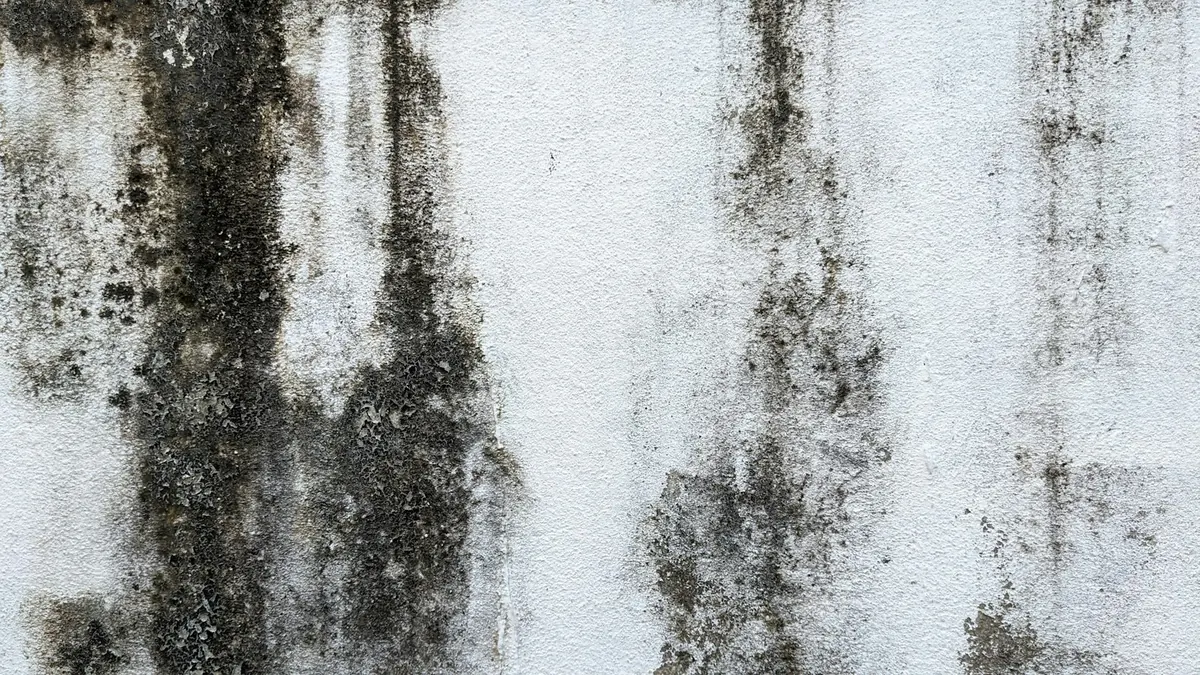
What Mold Abatement Means for Your Los Angeles County Property
Abatement plans controlled removal and cleaning for your materials affected by mold.
Compare included work and exclusions when selecting a proposal. Mold abatement and remediation differ chiefly in their scope.
Check your plan for clear removal boundaries, plus instructions for authorizing work if damage is uncovered.
- Affected rooms identified
- Material condition assessed
- Access needs explained
- Changes agreed before extra work
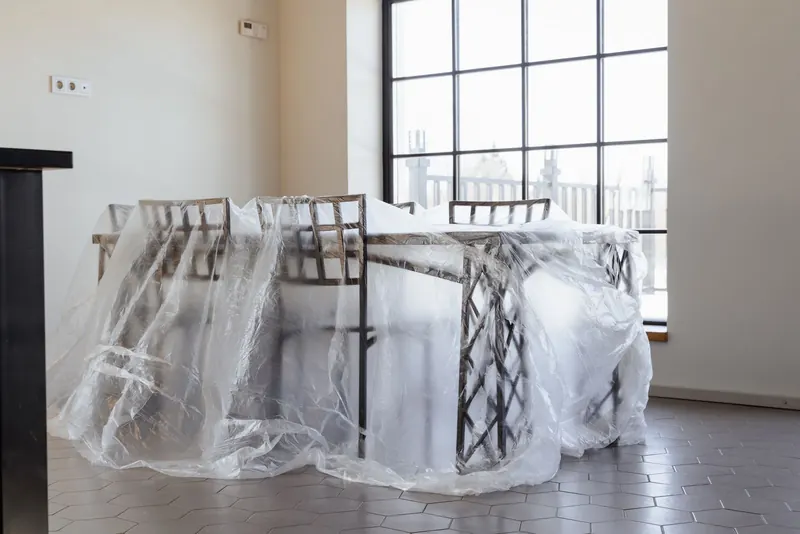
Comparing Your San Dimas Mold Abatement Companies
A Follow-Up Procedure
Find out what a follow-up visit covers and whom you should contact about returning stains or odors.
Mold Cleanup Payment Terms
Examine deposit requirements and payment milestones, plus added-work pricing, before signing.
Relevant Mold Cleanup Work
Request references and discuss cleanup under similar conditions.
A Named Contact
Find out who can answer questions or authorize adjustments to your scope of work.
When to Arrange Mold Cleanup in San Dimas, CA
Help focus your assessment by explaining where it happened and its history.
Dark Spots or Musty Smells
Give both descriptions without speculating on species. A mold's color is no measure of risk, CDC says.
Mold in Several Rooms
Record every affected area individually; avoid assuming identical work is needed in all rooms. Find out if a common moisture source affects the areas.
Growth Behind a Finish
Repeated staining could mean you need an investigation below the painted layer. Find out what proof supports making an opening.
Mold After a Leak
Your assessor needs to hear when you saw water and if materials continued to feel damp. EPA says to dry water-damaged areas and items within 24 to 48 hours to prevent mold growth.
Getting Ready for a Mold Cleanup Assessment in Los Angeles County
Do not disturb the area while you make assessment arrangements.
Call (844) 352-3560- Address incoming water. Stop a leak only if safe. Keep your distance from water-wet electrical equipment and organize appropriate repairs.
- Limit access. Prevent people from entering areas with visible growth or the intended work space.
- Leave surfaces alone. Avoid sanding, opening or brushing any moldy material. Do not use fans likely to scatter mold spores.
- Check HVAC concerns. EPA says not to run heating or cooling equipment that may be contaminated with mold.
- Record what you noticed. Capture damage in photos without going inside affected spaces. Record rooms, dates and past repair work.
Understanding Mold Abatement Cost in San Dimas, CA
Use published mold remediation pricing ranges to compare abatement costs. Your bill may list rebuilding, moisture repairs and testing separately.
Typical National Mold Remediation Range
$1,500 to $9,000 per jobSource: Fixr, Mold Remediation Cost (checked 2026-10-23)Typical Mold Remediation Range
$1,200 to $3,750 per jobSource: This Old House, Mold Remediation Cost (cost data credited to Angi) (checked 2026-10-23)Areas Over About 10 Square Feet: Professional Mold Remediation
Per square foot: $10 to $30Source: Fixr, Mold Remediation Cost (checked 2026-10-23)Understanding Changes in Your San Dimas Mold Removal Cost
- Affected area and cost per square foot
- Drying equipment and monitoring
- Removal and waste disposal
- Access behind finishes
- Containment and air scrubbers
- Separate testing and repairs
Published Mold Remediation Costs, Not a Property Quote
No site visit was used for these ranges, which are drawn from published national cost guides. An on-site assessment determines the price for your property, and you should receive an explanation before the work begins.
Ask about cost: (844) 352-3560Questions About Mold Cleanup Payment in California
Request an insurer's assessment of your event under the policy before treating any cleanup charge as covered.
Rental Property Responsibilities
Under California's housing law, visible mold found by a health officer or code enforcement officer can make a rental substandard. Renters can contact their local health or code enforcement department to ask for an inspection. Find out from the owner who approves entry and work.
Insurance Coverage Questions
Find out which deductibles, exclusions and mold sublimits concern your reported cause.
Disclosure and Ownership
California's Toxic Mold Protection Act includes a landlord written-disclosure section (Health and Safety Code 26147). By its own wording it applies only after the state adopts mold exposure standards, and the state health department has said it could not set them. Your cleanup completion record should remain distinct from any required disclosure.
Approval for Additional Work
Check whose approval extra removal requires when concealed damage changes planned work.
Mold Abatement Process: Steps for Your Greater Los Angeles Property
Base your remediation sequence on the assessment's scope. Complete the checks before removing containment barriers.
Mold Inspection and Moisture Mapping
Check dampness with a moisture meter's help. A thermal imaging camera can guide investigation but does not identify mold. Fix the water problem or growth may return.
Containment and Work-Zone Setup
Your abatement protocol defines air filtration requirements alongside poly sheeting and protective equipment needs. Negative air pressure and a HEPA air scrubber may be specified.
Removal of Contaminated Materials
The cleanup crew follows the scope when removing materials and packages waste before carrying the waste beyond containment.
Surface Cleaning
Surface cleaning, using an assessed method, may involve a HEPA vacuum. You still need physical growth removal with antimicrobial treatment.
Drying and Moisture Control
A dehumidifier plus air movers may serve as drying equipment inside the controlled work area. Use moisture readings to gauge readiness for the following step.
Final Cleaning and Verification
Before removing containment, post-remediation verification checks the criteria for completion. When clearance sampling is required, your assessor should be independent, not the company doing removal.

Discuss Mold Abatement in San Dimas
Call at any time. Your call reaches a mold abatement specialist who hears your concerns and explains the process ahead.
What Influences Mold Cleanup in Greater Los Angeles
Flag conditions that need additional planning to your assessor before damaged materials are demolished.
Weak or Damaged Surfaces
Stay outside the affected area when reporting ceilings that sag or floors that feel soft. Check whether access requires assessing repair needs first.
Older Building Materials
Check if disturbing materials as planned requires a separate assessment for hazardous materials. A mold scope does not settle that question.
Health Concerns
CDC notes that, for some people, mold may trigger asthma symptoms and allergy symptoms. Those with lung disease, weak immune systems or asthma face greater risk.
Can you clean it yourself? You can often clean areas under about 10 square feet yourself as a homeowner, EPA says. Have a professional assess larger growth, substantial water damage or any HVAC involvement.
Mold Cleanup in Los Angeles County: Which Affected Materials Can Remain?
Assess condition and ability to clean before keeping materials. Do not assume your hard surfaces are non-porous.

Non-Porous Surfaces
- You may be able to clean tile, glass and metal
- Check adjoining joints and backing separately
- Assess surfaces before choosing methods
Porous Materials Including Your Wood Framing
- You may clean and dry sound wood despite its porosity
- You may need to discard carpet, ceiling tile and drywall
- Damaged insulation may need replacement
Belongings and Finishes
- Decide together on disposal ahead of work
- Separate contents cleaning from building cleanup
- Identify items needing separate restoration advice
Mold Cleanup in Los Angeles County: What Changes the Schedule?
Ask which milestone is holding up the next task, rather than relying on a fixed completion date.
- Access and removal limits: Before removal proceeds, concealed damage may call for adjusting planned work.
- Drying and repair coordination: Unfinished moisture repairs or continued dampness may postpone when surfaces can be closed.
- Verification and rebuilding: For specified sampling, lab results and the assessor's availability influence when repair work takes over.
What Follows Mold Cleanup at Home
If a musty smell persists, report where and when you notice it. Ask for a follow-up assessment rather than accepting fragrance as proof of completion.
For ongoing moisture control, EPA recommends indoor relative humidity below 60 percent, ideally 30 to 50 percent. Ask how ventilation and humidity will be checked after drying equipment leaves.

Scope and Repair Planning
Use the full mold abatement guide to prepare questions about the assessment, scope and next steps for your property.
Read the mold abatement guidePlanning Mold Abatement in San Dimas
Area housing statistics describe local housing, without showing what condition your property is in. Plan access, moisture repairs and records around what an assessment finds.
Census ACS 2024 5-year (tables B01003, B25003, B25035, B09021 and B25024). Area estimates do not establish conditions at an individual property.
In San Dimas, renters occupy 28 percent of occupied housing units. Use your own inspection findings to plan repairs and keep copies of the agreed cleanup steps.
The median year built for housing units in San Dimas is 1976. This does not establish your building age or condition. Record visible damage, note when you first saw it and share any available leak repair records.
Single-family units make up 72 percent of all housing units in this community. For your property, record the rooms affected and ask who can authorize access before work begins.
In this community, 24 percent of residents aged 65 or older live alone. Confirm who can approve opening affected materials and how you will receive the findings and next steps.
Planning Your Property Assessment
- Areas under about 10 square feet can often be cleaned by the homeowner, while larger areas, HVAC systems, sewage, or contaminated water call for professional help.
Local Mold Abatement Information for San Dimas
During your call, ask whether mold cleanup is available in surrounding communities and ZIP codes.
ZIP codes
Frequently Asked Questions About Mold Abatement in San Dimas
Is mold testing necessary ahead of abatement in San Dimas?
According to EPA, visible mold growth often makes sampling unnecessary. Ask what decision a proposed test would change and whether inspection alone can define the work. A sample cannot prove you meet a universal safe number because federal rules set no indoor mold limit.
Will abatement cover rebuilding where damage occurred?
Do not count on that. Check if replacement accompanies drywall removal, if insulation and trim are covered, and who takes responsibility for restoring paint or flooring. Confirm responsibility for fixing the original leak. Get separate responsibilities and charges clarified so you know whether the agreement ends with an exposed, cleaned area or a finished room.
How should a renter report mold in Los Angeles County?
Give your owner or property manager written notice with a date, the location, water history and details of affected belongings. Save a copy, noting replies and suggested dates for access. Ask who to contact and when work is planned before moving belongings. Take questions about your circumstances to the local housing agency instead of presuming who owes payment.
Which temporary-arrangement questions should you put to your insurer?
Ask whether your policy addresses temporary accommodation, contents storage or loss of use during the proposed work. Confirm what receipts and approvals are needed and how much spending is allowed before you book services. Because these expenses may receive separate treatment from removal, getting cleanup approved should not imply authorization for every associated cost.
Which documents do you need to save after cleanup?
Request the final scope, approved changes, dated photos, moisture readings and any post-abatement testing report. File your invoices with records of repairs. Have the documentation list rooms and surfaces examined, plus unresolved matters, to help a later repair contractor understand completed work before closing up exposed areas.
Can you stay in the home during work?
Ask how your occupied rooms, sleeping areas and routes to exits will be separated from work. Talk about bathroom access and shared heating and cooling, plus reasons you might need to relocate temporarily. You need a plan specific to your property to decide on occupancy; a containment barrier alone cannot promise safety.
Questions About Mold Abatement in Los Angeles County?
You can get straightforward, reassuring guidance on mold abatement by calling 24 hours a day.