Hidden Mold Remediation (Behind Walls) in San Dimas, CA
Hidden mold remediation in San Dimas starts with checking moisture and concealed surfaces. Ask what evidence supports opening your wall.
- Moisture readings before openings
- Contained drywall removal
- Cavity cleaning and drying
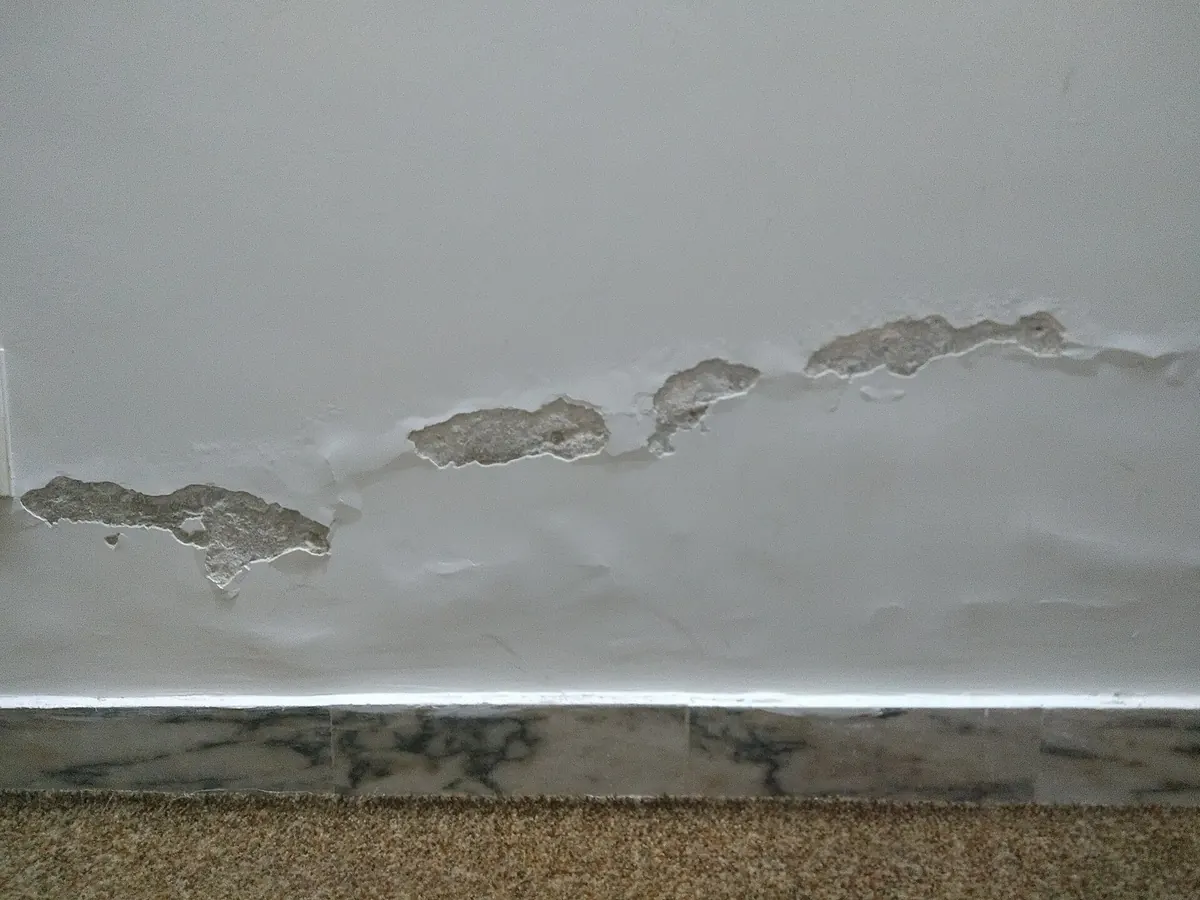
Hidden Mold in Los Angeles County: Wall Mold Remediation
Confirmed mold within a cavity and suspected moisture need distinct treatment in your scope.
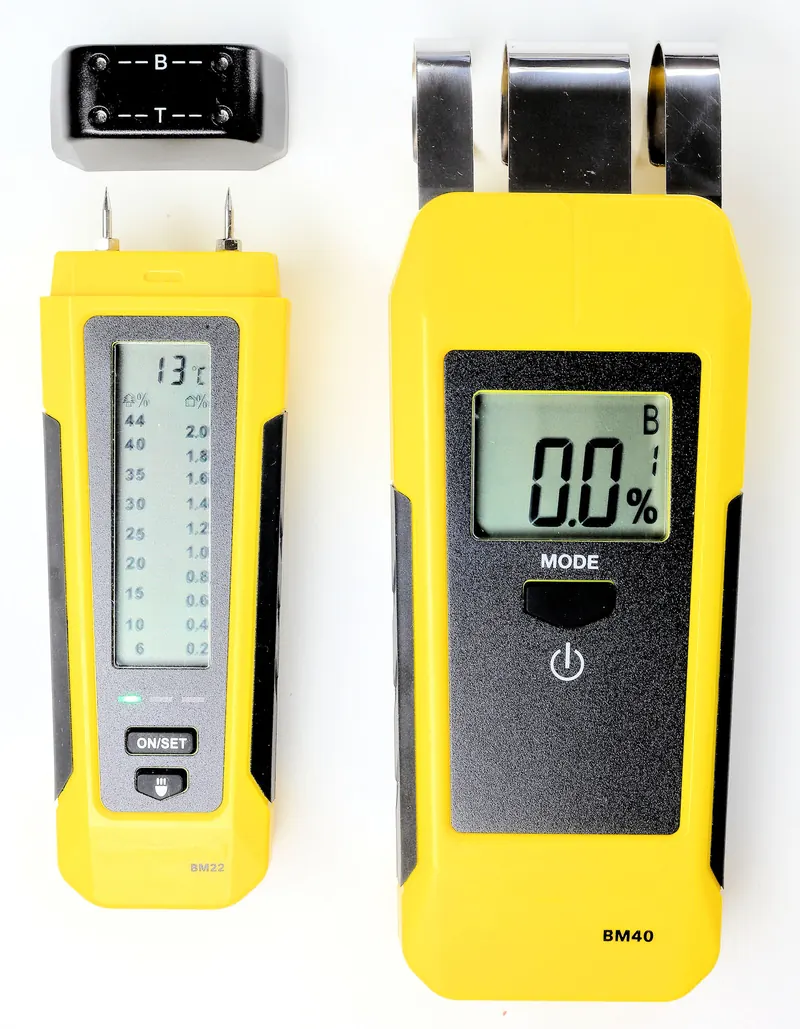
Your inspector can use thermal imaging to choose where to check, but the camera cannot detect mold itself. Dampness is checked with a moisture meter. A borescope, inspection holes or an inspection cut-out may expose hidden surfaces.
A plumbing leak may leave mold hidden on the far side of drywall. Inaccessible sections need an explanation in your inspection, not an assumption that neighboring walls need removal.
- Behind baseboards or wallpaper
- Behind cabinets and tub surrounds
- Under flooring and underlayment
- Spaces above your ceilings or within walls

San Dimas, CA: Choosing Help for Hidden Mold
Completion Disagreements
Ask who resolves disputes and pays for repeat verification.
Comparable Proposals
Examine each written scope of work to compare cavity boundaries and rooms.
Changes After Access
Agree how additional findings and revised charges will be approved.
Daily Communication
Designate someone you can contact about progress, surprise access needs and restrictions.
Spotting Hidden Mold Signs in Los Angeles County
To decide where inspection should start, locate the issue you keep noticing.
Hidden Mold Near Plumbing
Identify past fixture repairs along with adjacent bathrooms and plumbing routes.
Hidden Mold Under Floors
Explain which flooring layers were wet during the original event.
Hidden Mold Near Windows
After rain, record whether your affected area looks different.
Hidden Mold Behind Cabinets
Identify inaccessible cabinet backs and sink connections during the inspection.
Suspect Hidden Mold in San Dimas? Steps to Take First
Keep suspect surfaces intact as you arrange an assessment and address active water.
Call (844) 352-3560- Stop New Water. If safe, turn off the fixture that leaks.
- Leave Surfaces Intact. Do not peel wallpaper or cut drywall to investigate mold yourself.
- Check Heating and Cooling. Because suspect equipment could spread mold, EPA advises against running equipment that may be contaminated.
- Keep Access Clear. Keep children and pets away from the affected area.
- Respond to Recent Water Damage. EPA says to dry water-damaged areas and items within 24 to 48 hours to prevent mold growth.
Hidden Mold Remediation Cost in San Dimas, CA
Use published cost ranges to plan, not as a quote for your work. Ask if access, mold removal and rebuilding carry separate charges.
For mold behind a tub or vanity in your bathroom, up to
$500 to $8,000 per jobSource: Bob Vila, Mold Remediation Cost (cites Angi and HomeAdvisor) (checked 2026-10-23)After removal, repair work or replacement for drywall
$1,000 to $2,900 per jobSource: Servpro, Mold Remediation Cost (checked 2026-10-23)Factors That Change Your Cost in San Dimas
- Replacement of affected materials
- Concealed growth's depth and overall size
- Fixture removal for access
- Containment and waste route
- Moisture source repair
Your Guide to Published Hidden Mold Cost Information
The figures are published national cost guide ranges, not results of a property visit. Following an on-site assessment, the property price should be explained to you before any work begins.
Ask about cost: (844) 352-3560Insurance and Hidden Mold in California: Questions to Ask
Insurance coverage rests on both the policy you hold and the water damage source. Have your insurer clarify how it categorizes what happened.
Policy Limits
Ask about your deductible, mold sublimit and exclusions.
Rental Responsibilities
Under California's housing law, visible mold found by a health officer or code enforcement officer can make a rental substandard. Renters can contact their local health or code enforcement department to ask for an inspection.
Claim Scope
Check if rebuilding, investigation and removal count as distinct claim items.
Disclosure Questions
California's Toxic Mold Protection Act includes a landlord written-disclosure section (Health and Safety Code 26147). By its own wording it applies only after the state adopts mold exposure standards, and the state health department has said it could not set them.
Understanding the Mold Removal Process for Hidden Mold in Greater Los Angeles
Make sure your remediation instructions specify work stages and completion checks ahead of starting.
Hidden Mold Inspection and Scope
Moisture mapping identifies the moisture source requiring repair and sets out where openings are proposed.
Containment and HEPA Filtration
For a containment barrier, use poly sheeting. To sustain negative air pressure, an air filtration device can be used.
Controlled Wall Access
The cleanup crew uses the assessment to make openings for demolition of damaged materials.
Mold Removal From Drywall
A HEPA air scrubber is used where specified as affected porous materials exit containment inside closed bags.
Cavity Surface Cleaning
Assessed methods may include a HEPA vacuum and damp wiping. Antimicrobial treatment does not replace cleaning.
Drying and Moisture Control
Drying equipment, a dehumidifier and air movers support drying; moisture readings document progress.
Final Cleaning and Verification
Leave containment standing until post-remediation verification is complete. Any clearance testing should use an independent assessor.
Surface Mold or Concerns Within a Cavity?
Your assessment uses visible evidence; demolition boundaries require more.
| Observation | What to check | Likely next step |
|---|---|---|
| An intact finish with spots on its surface | Condensation and nearby moisture readings | Evaluate surface cleaning when you find sound, dry backing. |
| Recurring stains or soft drywall | Where a leak travels and the condition underneath finishes | Talk about controlled access for an inspection inside the cavity. |
| Musty odor without visible mold growth | Water history and inaccessible materials | Inspect the target area before suggesting removal. |
According to CDC, mold risk cannot be determined by color. Black mold on walls alone cannot determine how much removal is needed.
Records and Observations for You to Gather
Keep suspect surfaces intact as you prepare your history.
- Include dates and room labels when photographing swelling and stains.
- Note whether fixture use or rain precedes the odor.
- Record past drying work and leaks, along with finishes previously replaced.
- Gather repair invoices, earlier inspection reports and claim correspondence.

Discuss Hidden Mold Remediation (Behind Walls) in San Dimas
Call at any time. A hidden mold remediation (behind walls) specialist takes your call, discusses what you see and outlines what comes next.
Hidden Mold in California: The Risks of Opening Up
You need an assessment before disturbing concealed damage. Visible growth alone cannot define the scope.
Uncertain Cavity Size
You cannot measure concealed growth from the surface stain alone.
Contaminated Water
You need a professional experienced in damage involving sewage or contaminated water.
Occupant Sensitivity
Around mold, CDC cautions that risk is higher for people with weak immune systems, lung disease or asthma.
Can you clean it yourself? For accessible areas under about 10 square feet, EPA says homeowners can often do the cleaning. That visible-area cutoff does not measure concealed growth; seek professional assessment for larger areas or HVAC involvement.
Your Guide to Mold Removal From Walls in Los Angeles County
Condition and cleaning potential decide which materials you can retain. Wood framing has pores but may stay when sound, with cleaning and drying complete.

May Be Cleaned and Kept
- Sound wood framing after assessment
- Metal and other non-porous surfaces you can clean
May Need Removal
- Mold-damaged drywall and insulation
- Cabinet backs, carpet or subfloor unsuitable for cleaning
Rebuilding After Cleanup
- Replacement insulation and drywall
- Trim, flooring, primer and paint
How Long Hidden Mold Cleanup Takes in Greater Los Angeles
How long your work takes hinges on access arrangements, drying and repair transitions. Request timing based on checks for completed work.
- Access approval: Separate arrangements may be necessary for occupied rooms, shared walls or removing cabinets.
- Drying progress: Measured moisture and the thickness of materials influence the timing of cavity closure.
- Repair handoff: Coordinate leak repair, verification and replacement finishes before scheduling room reuse.
San Dimas Indoor Air Quality and Hidden Mold
Masking an odor gives you no evidence of a clean cavity. Mustiness calls for investigation, without establishing how extensive hidden mold is or pinpointing where it is growing.
Keep your indoor relative humidity under 60 percent, as EPA recommends, with 30 to 50 percent the ideal range. Address leaks too: a drop in room humidity alone does not fix a wet wall.
Scope and Repair Planning
Use the full hidden mold remediation (behind walls) guide to prepare questions about the assessment, scope and next steps for your property.
Read the hidden mold remediation (behind walls) guidePlanning Hidden Mold Remediation (Behind Walls) in San Dimas
Area housing statistics describe local housing, without showing what condition your property is in. Plan access, moisture repairs and records around what an assessment finds.
Census ACS 2024 5-year (tables B01003, B25003, B25035, B09021 and B25024). Area estimates do not establish conditions at an individual property.
In San Dimas, renters occupy 28 percent of occupied housing units. Use your own inspection findings to plan repairs and keep copies of the agreed cleanup steps.
The median year built for housing units in this community is 1976. This does not establish your building age or condition. Record visible damage, note when you first saw it and share any available leak repair records.
Single-family units make up 72 percent of all housing units in this community. For your property, record the rooms affected and ask who can authorize access before work begins.
In this community, 24 percent of residents aged 65 or older live alone. Confirm who can approve opening affected materials and how you will receive the findings and next steps.
Planning Your Property Assessment
- Areas under about 10 square feet can often be cleaned by the homeowner, while larger areas, HVAC systems, sewage, or contaminated water call for professional help.
Local Hidden Mold Remediation (Behind Walls) Information for San Dimas
During your call, ask whether mold cleanup is available in surrounding communities and ZIP codes.
Hidden Mold Remediation (Behind Walls) in Locations Near San Dimas
ZIP codes
What People Ask About Hidden Mold Remediation (Behind Walls) in San Dimas
What steps should a California tenant take about suspected hidden mold?
Notify your landlord or property manager in writing with the location and observations. Request an inspection and an access plan, then keep dated replies and appointments. Avoid authorizing demolition of a rented wall yourself. When the response stalls, ask about your next steps using information from the local housing agency.
What records should you keep after the cavity is closed?
Keep photographs of exposed cavities, the final scope and any changes, moisture readings, repair invoices and verification findings. Request records naming inspected areas and rooms, with inaccessible sections also identified. A later repair contractor, buyer or manager should be able to identify the work done without breaking back into finished surfaces.
Before demolition, which questions should you put to your insurer?
Ask whether the insurer needs an inspection or specific photographs before materials are removed, and how urgent damage-control work should be documented. Find out the reporting process for newly uncovered damage after access. Save dated correspondence and the claim reference to distinguish work already approved from items awaiting decisions.
Can you remain in your San Dimas home through hidden mold removal?
Clarify whether heating or cooling must shut down, how the work zone is isolated, and which rooms and paths stay usable. Set aside time before work begins to discuss bathroom use, sleeping areas and temporary relocation if needed. A containment plan alone is not a promise that staying home suits your household.
Does the removal work include repainting and closing your walls?
Avoid assuming inclusion without checking. Request an included and excluded work list covering fixture removal, wall closure, matching finishes and debris disposal. Identify who employs repair trades and who accepts your cavity ahead of rebuilding. Do not arrange painters while other tasks remain unfinished.
Does an affected cavity require removal of every wall?
No. Request the limits and the supporting evidence for expanding them. Before approving broader work, ask why an opening's newly revealed damage warrants the change. Agree how to resolve inspection limits, since inaccessible surfaces may leave questions unanswered.
Questions About Hidden Mold Remediation (Behind Walls) in Los Angeles County?
Get calm, practical guidance about hidden mold remediation (behind walls), with calls answered 24 hours a day.